
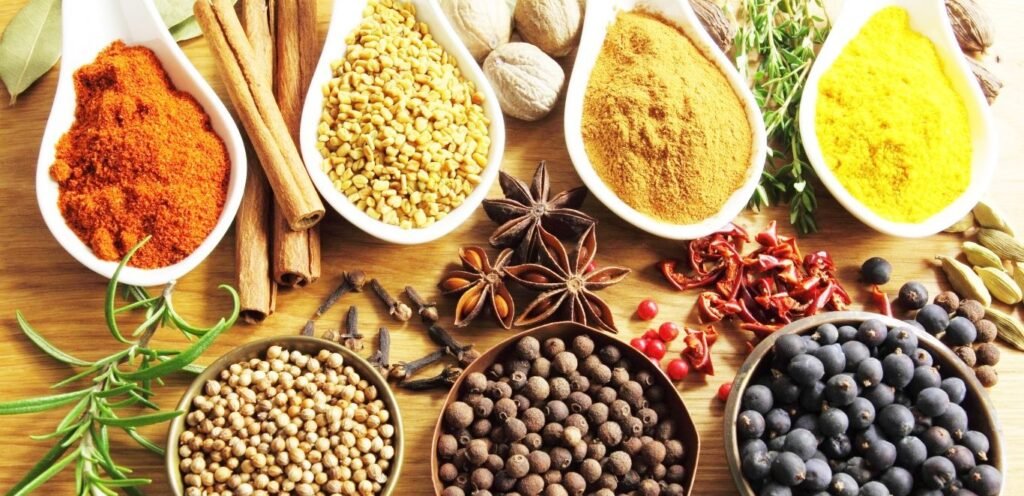
Pakistani cuisine is famous and loved all over the world for its rich flavour. It is also a beautiful blend of Indian, Mughal, and Central Asian heritage. The eastern cuisine of Punjab and Sindh is known for its rich, spicy flavours. In contrast, the western food traditions of Balochistan, KPK, and Gilgit-Baltistan are much milder and simpler in taste.
One of the most exciting things about Pakistani food is how it changes from region to region—even from one street to another. Every bite offers a new experience, and your taste buds will never be disappointed. If you’re wondering what you can expect to eat in Pakistan, here’s a glimpse into its incredible culinary world…
Here are the Top 9 Famous Pakistani Dishes
1. Biryani
Aromatic rice cooked with meat, spices, and saffron, biryani is a national favourite and one of the most iconic Pakistani dishes. This classical mixed rice meal dates back to the royal kitchens of the Mughal Empire. The word biryani comes from the Persian word brian, meaning “fried.”
Over time, biryani gained immense popularity and developed into many regional varieties—such as Sindhi biryani, Hyderabadi biryani, Bombay biryani, and beef biryani. Today, it is loved worldwide, with each region adding its own unique flavour and character.
Rice, meat (usually chicken or mutton), yoghurt, and biryani spices form the core of the dish. Optional ingredients like dried fruits, potatoes, eggs, and nuts enrich its taste, while mint, bay leaves, and curry leaves enhance its aroma and give it a subtle tang.
In Pakistan, biryani is a staple of the main course at restaurants, weddings, and festivals. No table feels complete without it, and it is almost always served with raita (a yoghurt dip) and a fresh salad.

2 Chapli Kebab
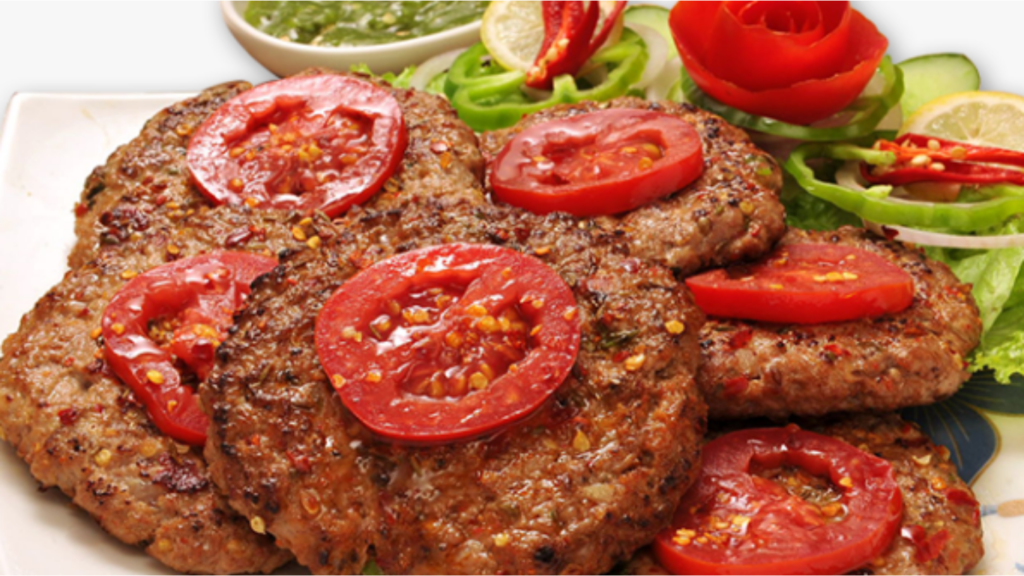
Chapli kebab is a Pashtun-style Pakistani kebab, usually made from minced beef or chicken. It is also known as Peshawari kebab because it originated in Peshawar. The name comes from the Pashto word chaprikh, meaning “flat,” which describes its distinctive shape.
Often enjoyed as popular street food, chapli kebab is famously used in bun kebabs and is widely regarded as the “king of all kebabs.” A generous mix of bold herbs and spices is added to the minced meat, creating a kebab that bursts with flavour. It can also be used to make delicious sandwiches and wraps.
The popularity of chapli kebab has spread across Khyber Pakhtunkhwa, Afghanistan, and even parts of India. Today, it is one of Pakistan’s most loved appetisers. It is traditionally served with sauces, chutney, yoghurt, and warm naan or bread, and is often presented to guests as a proud speciality of Peshawari cuisine.
3 Nihari
Nihari is a traditional Pakistani dish made from slow-cooked beef or mutton, often prepared with rich bone marrow. Its name comes from the Arabic word nahar, meaning “morning,” as it was originally served as a breakfast meal. It is especially popular among the people of Lahore and Karachi and is considered one of Pakistan’s national dishes because of its spicy flavour, rich texture, and deep aroma. Today, nihari is enjoyed worldwide and is available in Pakistani, Indian, and Bengali restaurants across the globe.
Nihari is cooked slowly for 6 to 8 hours—some chefs even let it simmer overnight to achieve its signature thickness and taste. Before serving, it is beautifully garnished with ginger slices, green chillies, onions, or a squeeze of lemon, making it irresistible for food lovers. It is commonly eaten with khameeri roti, naan, or rice, making it a complete and comforting meal.

4 Sajji
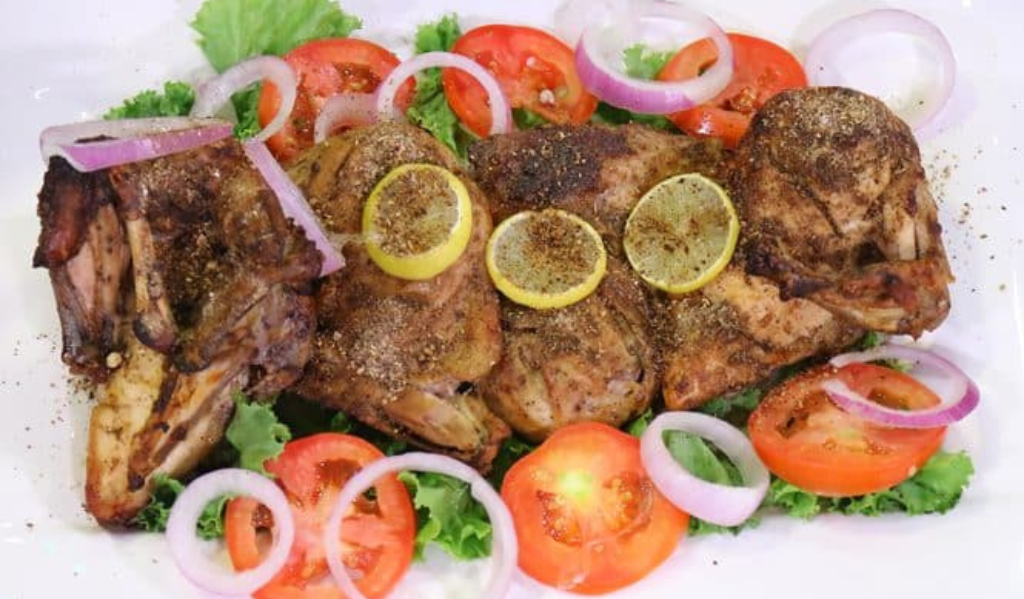
Sajji is a traditional and unique cuisine from the province of Balochistan. Originally, sajji is made with whole lamb, but chicken is also widely used today, giving food lovers more options to enjoy this iconic dish. The meat is marinated simply—often with salt—and then roasted over an open fire, which gives it a deep smoky flavour. A perfect sajji has a contrasting texture: tender and juicy on the inside, while crispy and golden on the outside.
Sajji has become popular across Pakistan, especially in big cities like Karachi, Lahore and Islamabad. Places such as Balochi Sajji by Bundu Khan are well known for serving authentic flavours that satisfy every sajji craving. A squeeze of lemon enhances its taste even more, turning every bite into a heavenly experience.
The golden colour and aromatic roasted fragrance of sajji make it a favourite among food lovers. In urban regions, it is commonly served with rice, whereas in traditional Balochi style, it is paired with kaak—a special bread baked in a tandoor or oven.
5 Mutton/ Chicken Korai
The word karahi refers to the deep, wok-style cooking pot in which chicken or meat is cooked to make chicken karahi or gosht karahi. This dish is a true hallmark of Pakistani cuisine, created with a quick but flavourful blend of cinnamon, red chilli, tomatoes, and yoghurt.
Karahi is a dry, aromatic masala curry enjoyed throughout Pakistan and beyond. Its spicy, savoury taste—especially when made with desi chicken—is what has won the hearts of people across Pakistan, India, and many other countries.
In Lahore, Butt Karahi is one of the most famous places to satisfy your karahi cravings. Traditionally, Pakistanis enjoy karahi with warm kulcha, roti, chutney, and yoghurt, making it a complete and comforting meal.

Popular Pakistani Vegetable Dishes and Drinks
Pakistani cuisine offers a variety of flavorful vegetarian dishes that are both nutritious and satisfying. These meals highlight the natural taste and texture of fresh vegetables, often cooked with aromatic spices to create rich, comforting flavours. Served with bread or rice, vegetarian dishes form an essential part of everyday meals and festive feasts, reflecting the diversity and culinary heritage of Pakistan. Here are some staple Pakistani vegetable dishes:
6. Aloo Gobi (Potato & Cauliflower)
Aloo Gobi is a classic Pakistani vegetable dish made with potatoes, cauliflower, tomatoes, onions, and a blend of spices. The addition of curry leaves enhances its aroma and flavour, making it a favourite among vegetable lovers. This dish turns a vibrant yellow thanks to turmeric and is commonly served hot with roti (bread) and raita (yoghurt dip) in almost all Pakistani restaurants, making it a staple at feasts and everyday meals alike.

7. Tarka Daal (Lentils)
Tarka Daal is a staple Pakistani dish with origins in Indian cuisine, known for being affordable, nutritious, and full of flavour. Made from lentils, the dish gets its signature taste from tarka—a tempering of spices, garlic, and green chillies sautéed in hot ghee and poured over the cooked daal, giving it a rich aroma. It is commonly served in dhabas (local eateries) alongside plain or jeera rice, chapattis, sliced onions, or lemon, creating a delicious and satisfying meal.

8 Baingan Bharta (mashed Eggplant)
Baingan Bharta is a popular Pakistani vegetable dish prepared by roasting eggplants over charcoal and then mashing them with spices, onions, tomatoes, and herbs. The charcoal roasting gives the dish its distinctive smoky flavour, making it irresistible. It is cooked in various styles across Pakistani homes and is both highly nutritious and delicious. Many variations exist, such as combining it with potatoes, known as Aloo Baingan. Baingan Bharta is traditionally served with paratha or hot roti, and it is loved by vegans and non-vegans alike for its rich taste and comforting texture. It is often featured in family meals, festive gatherings, and local restaurants, highlighting its significance in Pakistani cuisine

9 Karela Pyaz (Bitter Gourd with Onion Fry)
Karela Pyaz, also known as Onion Baji in the UK and some other countries, is a popular Pakistani vegetable dish celebrated for its unique taste and health benefits. Bitter gourd (karela) is highly nutritious, packed with vitamins, minerals, and antioxidants, and is known to help regulate blood sugar levels, improve digestion, and boost immunity. While children often avoid it due to its natural bitterness, cooking it with onions, tomatoes, and aromatic spices mellows the sharpness, creating a delicious and flavorful dish.
There are many variations of karela dishes, such as stuffed karela, keema karela, and karela with meat (karela gosht), offering versatility for different tastes. Traditionally, Karela Pyaz is served with flatbread, yoghurt, fresh kachumber salad, and kachi lassi, making it a wholesome and nutritious meal that is both satisfying and beneficial for health. It is a staple in Pakistani homes and is often enjoyed during lunch or dinner for its flavour and wellness properties.

Flatbreads of Pakistan
Flatbreads are traditional in Pakistani cuisine, traditionally made from wheat flour, water, and salt. They have been part of South Asian culinary culture for centuries, reflecting the agricultural heritage of the region where wheat has been a primary crop. Over time, a variety of flatbreads emerged, including chapatti (roti), paratha, naan, poori, and more, each with its own unique preparation style and cultural significance.
Chapatti (Roti) is the most common, soft and thin flatbread that pairs with nearly every Pakistani dish. Its simplicity and high fibre content make it easy to digest and a healthy accompaniment to vegetables, curries, and meat dishes.

Naan, a fluffy tandoor-baked bread, is enjoyed both in Pakistan and internationally. It is often served with curries, haleem, or dips and comes in variations like garlic naan, cheese naan, and kalonji naan.
Poori, a deep-fried flatbread, is traditionally served with breakfast items like halwa or alongside barbecued meats and kebabs.
Flatbreads are not only a culinary tradition but also offer health benefits when prepared with whole wheat flour, including providing energy, dietary fibre, and essential nutrients. Their presence at every meal in Pakistani households highlights their central role in both the culture and daily nutrition of the region.
Paratha, made by adding ghee to the dough, is layered and slightly richer, offering a delicious and hearty option for meals.

Popular Pakistan Drinks
Pakistan offers a wide range of traditional beverages that complement its rich Pakistani food culture and regional diversity.
Chai is the most beloved drink across the country, made by brewing black tea with milk, sugar, and aromatic spices like cardamom and cinnamon. It is a daily ritual in Pakistani homes and offices, enjoyed throughout the day to refresh and energise alongside meals.
Mango Lassi is a yoghurt-based smoothie that combines ripe mangoes, yoghurt, milk, and sugar. This sweet and creamy drink is especially popular during the summer months, offering a refreshing way to beat the heat while providing essential nutrients like calcium and vitamins from the mango and yoghurt. Its smooth texture and natural sweetness make it a favourite for both children and adults, and it pairs perfectly with traditional Pakistani food.

Kashmiri Chai, also known as Gulabi Tea or pink tea, originates from Kashmir and is a visually stunning beverage. Made with green tea leaves, milk, salt, and sugar, it has a soft pink hue that captivates the eyes even before tasting. Traditionally served in winter in southern Pakistan and year-round in northern regions, it is also a staple at weddings and special occasions. Chopped pistachios or almonds are often added to enhance the flavour and aroma, making it a delicate, festive, and culturally significant drink alongside Pakistani food.

Green Tea is another popular beverage, particularly in the regions of Khyber Pakhtunkhwa, Balochistan, and Gilgit-Baltistan. Known for its health benefits, including antioxidants and digestion support, green tea is often consumed plain or lightly sweetened. It is deeply embedded in the daily routine and local hospitality of these areas, highlighting the traditional and regional diversity of Pakistani food and drinks.
Together, these beverages showcase Pakistan’s love for flavoursome, aromatic, and refreshing drinks that perfectly complement the rich variety of Pakistani food, enjoyed daily as well as during special celebrations.